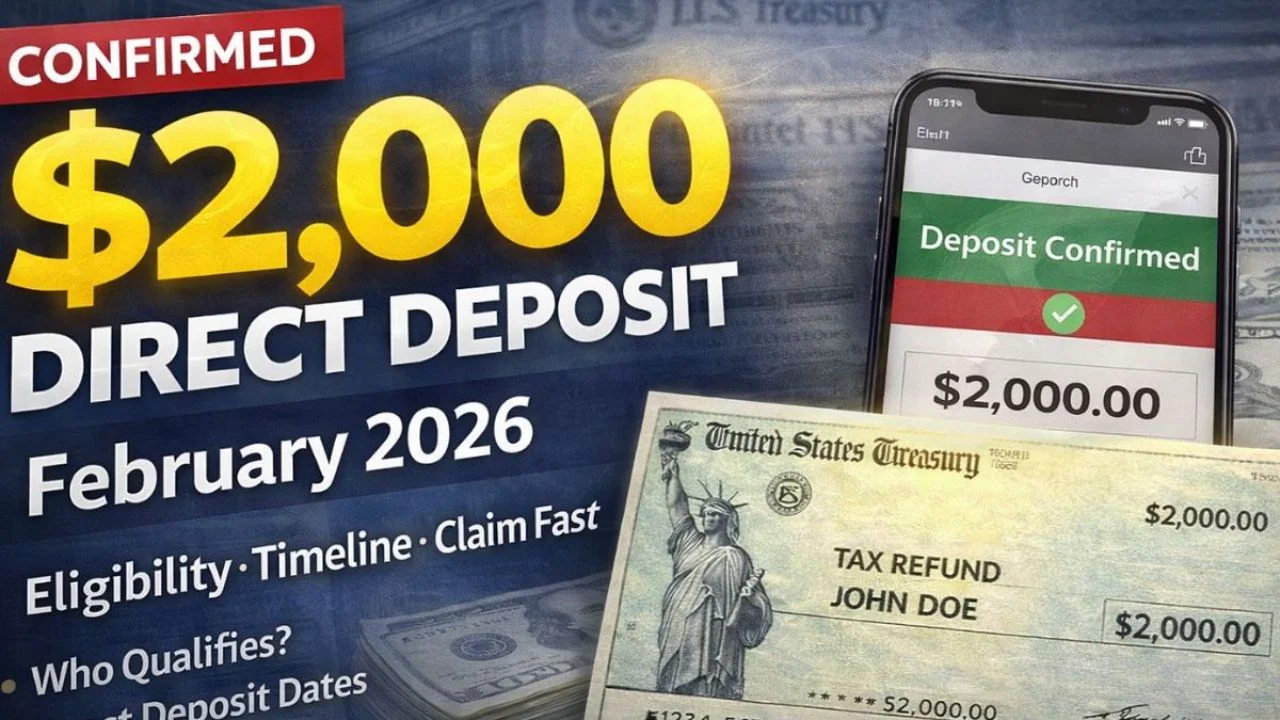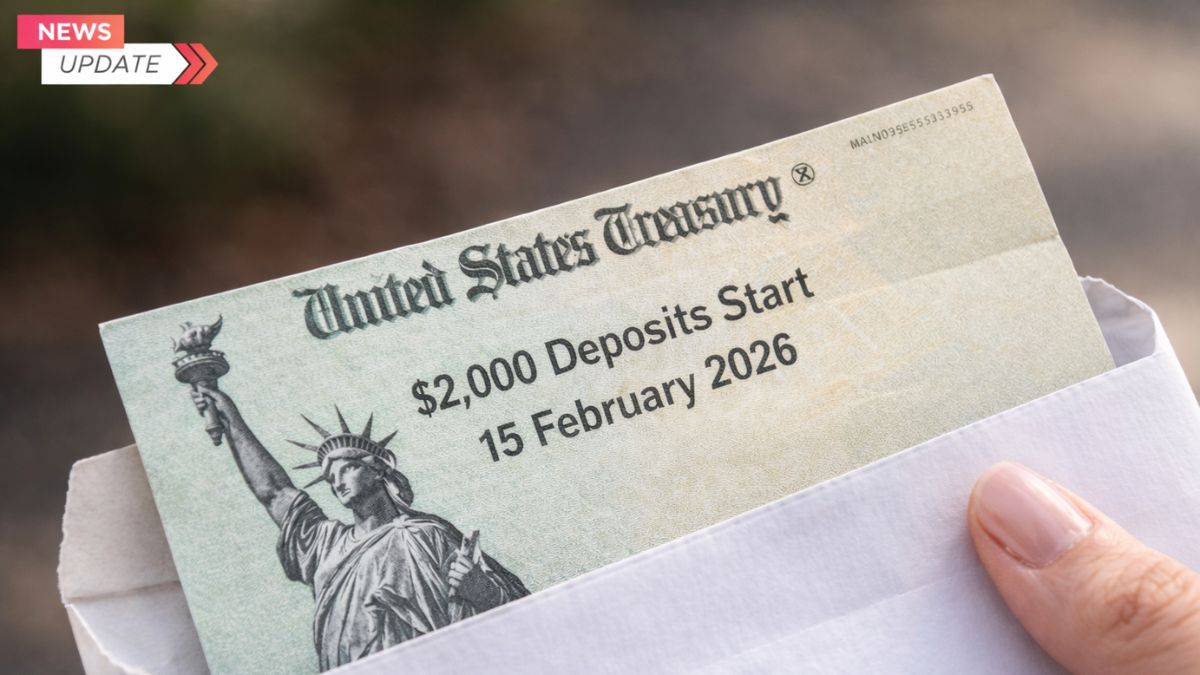
$2,000 Direct Deposit Program February 2026: In early 2026, attention has turned toward a proposed $2,000 direct deposit program that may begin as soon as February 9, 2026. With rent, groceries, utilities, and medical expenses continuing to rise, many households are watching closely for any sign of financial relief. The proposal is described as a targeted assistance effort rather than a broad stimulus plan. Its purpose would be to support qualifying individuals through a fast and fully digital payment system.
The idea behind the proposal is to deliver short-term help without the delays that often come with paper checks and manual processing. By relying entirely on electronic transfers, the system would aim to reduce administrative backlogs and speed up delivery. For families facing tight budgets at the start of the year, quicker access to funds could make a meaningful difference in covering essential bills.
How the Digital Payment System Would Function
Under the proposed design, eligible individuals would receive the $2,000 payment directly into their bank accounts. The government would use information already stored in official records, such as recent tax returns and benefit enrollment data, to verify identity and eligibility. Automated systems would check names, Social Security numbers, and banking details before approving a transfer.
Because the system would not include paper checks, accurate banking information would be extremely important. Incorrect routing numbers, closed accounts, or outdated details could delay payments. Once verification is complete, the deposit would move through electronic banking networks, allowing funds to appear in accounts within a short time frame. This digital-only structure is meant to increase efficiency while limiting the risk of lost or stolen checks.
Eligibility Guidelines and Priority Groups
The proposal outlines eligibility rules based mainly on income level, residency status, and compliance with federal regulations. Income would likely be verified using the most recent tax filings or other official financial records. Households whose earnings fall within established thresholds could qualify for the full amount, while those above the limits may not be eligible.
Reports indicate that seniors, individuals with disabilities, and lower-income households could receive priority during the first distribution phase. These groups often depend on fixed incomes and may experience greater financial strain. However, final eligibility details would depend entirely on formal approval and official agency instructions. No payment would begin without clear government authorization.
Important Dates and Phased Rollout Plan
The proposed rollout includes a structured schedule to keep processing organized. Verification and updates to banking information are expected to open around February 1, 2026. Individuals who complete verification quickly could receive deposits beginning February 9. February 15 is listed as the last day to update banking information for early processing, and February 20 is expected to be the final deadline for completing identity verification.
If someone misses these deadlines, they may be placed in a later payment group. The phased approach allows agencies to manage high volumes of applications while reducing system overload. While these dates are mentioned in discussions, final confirmation would only come from official announcements.
Security Measures and Fraud Prevention
To protect public funds, the proposal includes multiple security safeguards. Each qualified person or household would be allowed to receive only one $2,000 payment. Automated systems would monitor for duplicate claims or mismatched identity records. Bank accounts must match verified personal information to prevent unauthorized transfers.

Providing false details or attempting to claim more than one payment could lead to disqualification and possible legal consequences. These protections are intended to make sure assistance reaches legitimate recipients. Digital identity verification also reduces the risk of fraud compared to manual processing systems used in the past.
Steps That May Help Avoid Delays
If the program receives official approval, preparation could help avoid payment delays. Reviewing tax filings for accuracy, confirming that bank account details are current, and checking personal information in government records would be wise steps. Completing identity verification early in the timeline could increase the chances of receiving funds in the first distribution phase.
Monitoring official announcements is equally important. Only verified government websites and agency notices should be used for updates. Relying on social media rumors or unofficial links could lead to confusion or scams. Staying organized and proactive would help ensure smooth processing if the proposal moves forward.

What Families Should Remember
The proposed $2,000 direct deposit program is designed as a digital assistance effort aimed at easing short-term financial pressure. By focusing on electronic transfers, income verification, and phased distribution, the plan emphasizes speed and security. However, it remains a proposal and depends entirely on formal government approval before any payments can begin.
Families should avoid making financial decisions based solely on expectations of receiving the deposit. Planning based on confirmed income sources remains the safest approach. If the program is officially authorized, detailed instructions will be shared through trusted government channels.
Disclaimer: This article is for informational purposes only and does not provide financial, legal, or tax advice. The proposed $2,000 direct deposit program has not been officially confirmed at the time of writing. Eligibility rules, payment dates, and program details may change based on government decisions. Readers should rely on verified government sources for accurate and updated information.